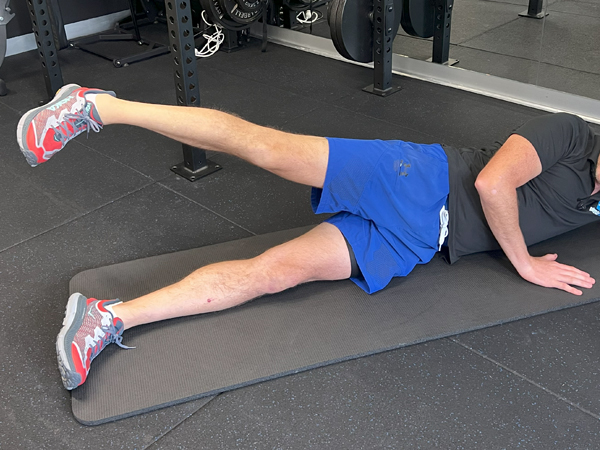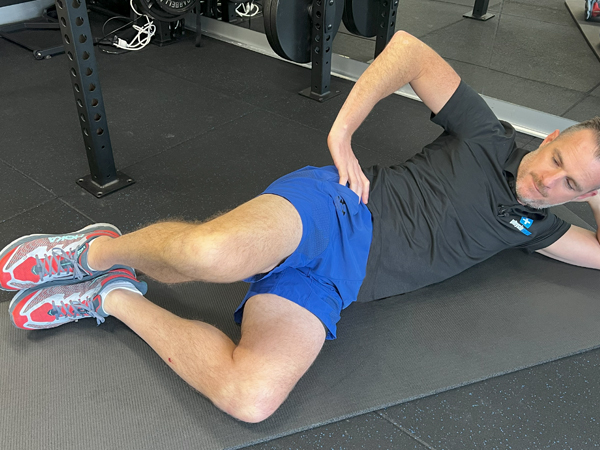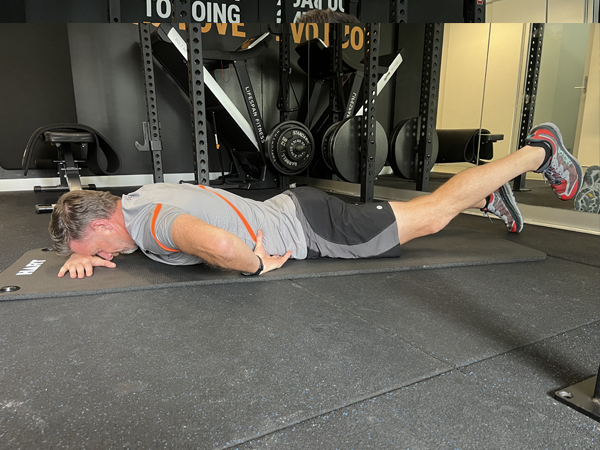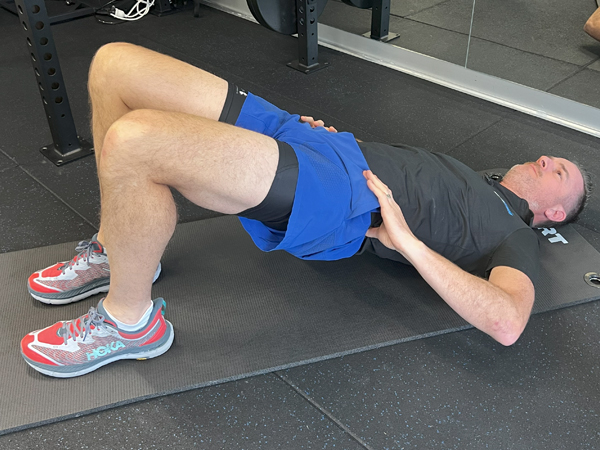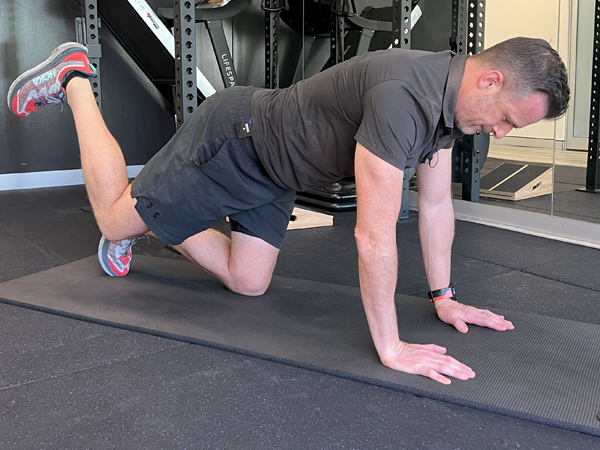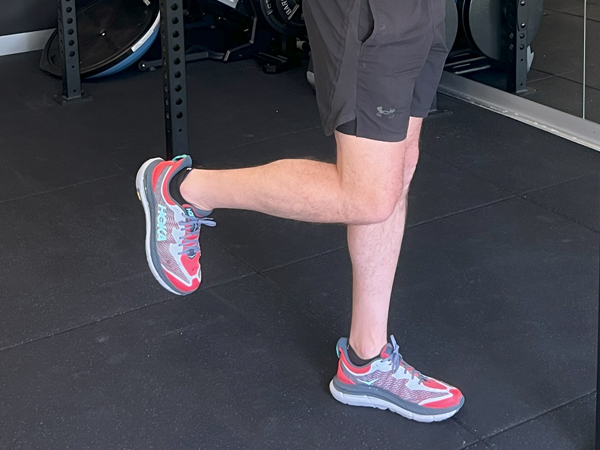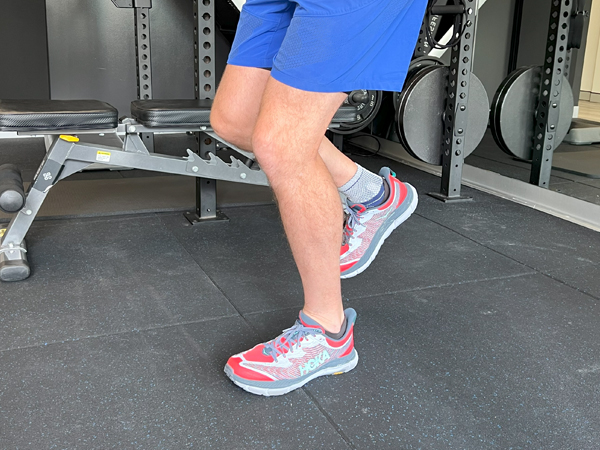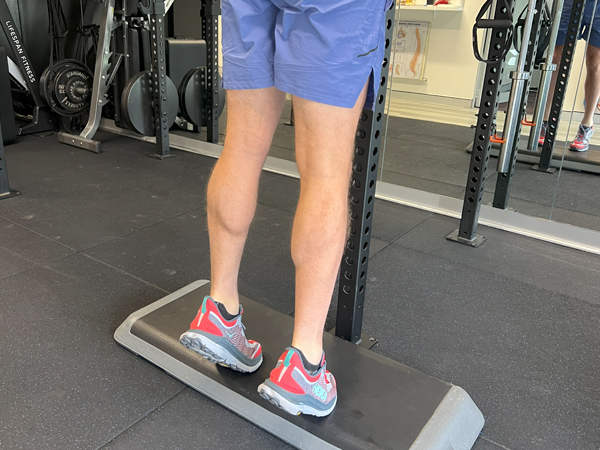
TWO NEW KNEE REHAB PROGRAMS NOW AVAILABLE!

ACL Rehabilitation | Weeks 03-04

ACL Rehabilitation | Weeks 03-04

ACL REHABILITATION | WEEKS 03-04


Stage Pre-requisites

Account Image

Before progressing into Stage 2, you should meet the following criteria:

  • Maintain full active knee extension (0°)
  • Achieve at least 90° knee flexion
  • Demonstrate improving quadriceps activation and control
  • Walk with improving gait mechanics, with minimal reliance on crutches
  • Have been reviewed by your Surgeon and/or Physiotherapist and cleared to progress rehabilitation
  • Have no signs of infection or significant post-operative complications
  • Have swelling that is reasonably controlled and not significantly increasing following exercises or walking


  • Physio Check-In

    Physio Check-In

    This stage is an important transition point in your rehabilitation, moving from early protection and activation into more functional movement and weight-bearing exercises.

    Your Physiotherapist can assist with:

  • Monitoring swelling and knee joint effusion
  • Assessing knee extension and flexion range of movement
  • Improving quadriceps activation and walking mechanics
  • Progressing balance and functional loading exercises
  • Assessing squat and hip hinge movement quality
  • Monitoring hamstring loading tolerance
  • Progressing bike, pool and walking programs appropriately

  • Hands-on treatment may still be helpful during this stage to assist with:

  • Hamstring and quadriceps soft tissue tightness
  • Scar tissue mobility
  • Swelling management
  • Patella mobility and knee stiffness

  • This is also a good opportunity to assess any ongoing limping, movement compensation patterns, hip weakness or balance deficits before progressing into later strengthening stages.


    Goals

    Account Image

    Range of Movement Goals

    Continue maintaining:

  • 0° active knee extension

  • Aim to progressively improve knee flexion throughout this stage:

  • Week 3: approximately 100° flexion
  • Week 4: approximately 110° flexion
  • Week 5: approximately 130° flexion
  • Week 6: approximately 130° flexion

  • Do not sacrifice extension quality in order to gain more knee flexion.


    Recommended Equipment

    Account Image
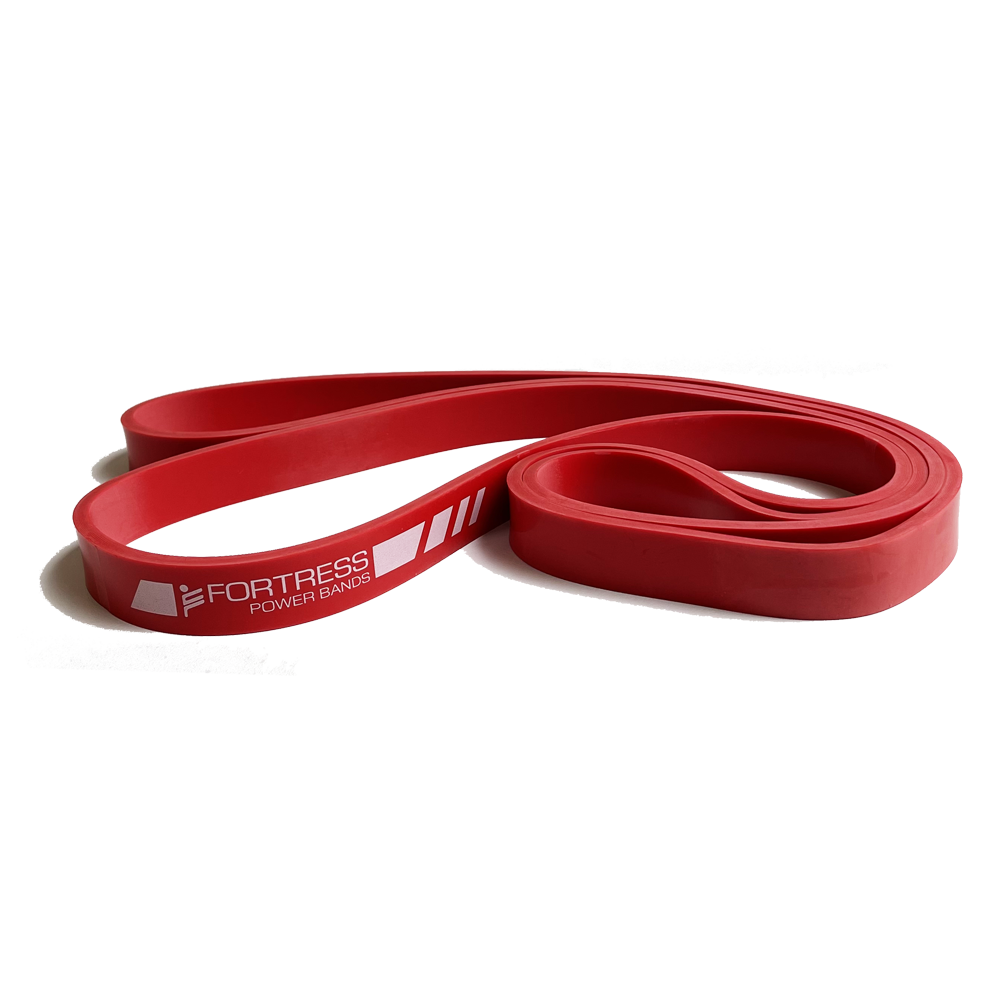
    Power Band - Red (Medium)
    Power Band - Red (Medium)


    {% endif %}

    WEEKS 3-4: Functional Loading and Neuromuscular Control

    Account Image
    WEEKLY INSTRUCTIONS

    Welcome to Stage 2 of your ACL rehabilitation program.

    During this stage, the focus shifts toward:

  • Improving walking mechanics
  • Building confidence with weight bearing
  • Progressing quadriceps and glute strength
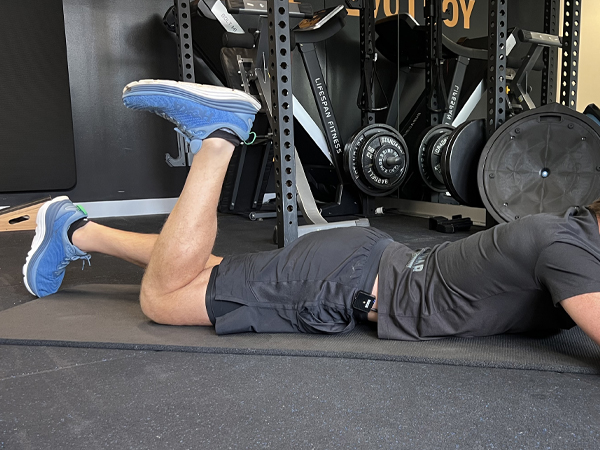
  • Introducing hamstring activation exercises
  • Improving balance and neuromuscular control
  • Restoring functional movement patterns

  • You should now be moving more confidently, with less swelling and improving knee range of movement. Continue focusing on consistency with your rehabilitation and avoid progressing too quickly simply because pain levels are improving.

    You should now aim to progressively transition away from crutches as your walking quality improves. Avoid excessive walking volume if it significantly increases swelling or pain later in the day.


    Weekly Structure

    This stage consists of three sections. Aim to complete the program the prescribed number of times per day where possible.

  • Session 1: Mobility and Stretches: DAILY
  • Session 2: Muscle Activation and Control: 1-2 times per day
  • Session 3: Functional Strength and Movement: 1 x per day, 4-5 x per week

  • As the number of exercises increases, many patients find it easier to split the program. This can help reduce fatigue, maintain exercise quality and better manage swelling response.

  • Session 1: morning or midday
  • Session 3: afternoon or evening


  • Mobility and Stretching

    The mobility exercises remain important during this stage, however they no longer need to dominate the entire day as they did during the first two weeks.

    Continue focusing on maintaining full extension, improving knee flexion, reducing stiffness, and improving soft tissue mobility

    Most mobility exercises can now be completed primarily in the evening unless your knee becomes stiff during the day.


    Strength and Functional Movement

    This stage introduces more functional loading and movement-based rehabilitation exercises.

    The focus now becomes:

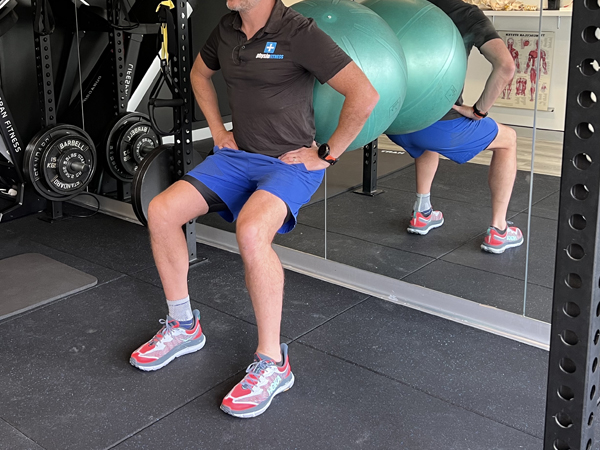
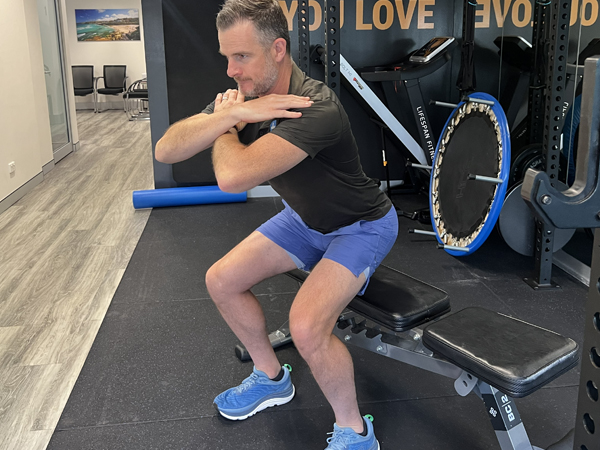
  • Improving squat mechanics
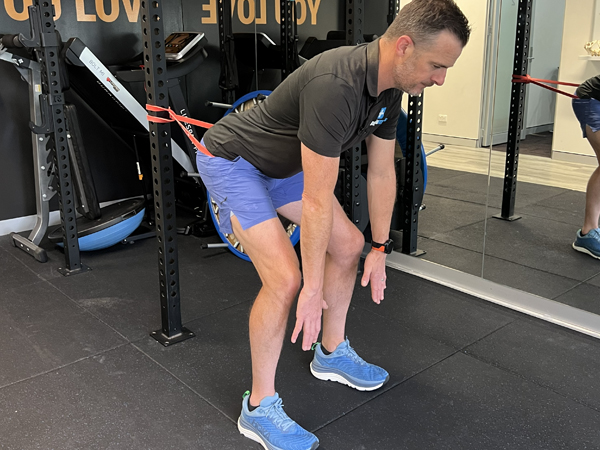
  • Restoring hip hinge movement patterns
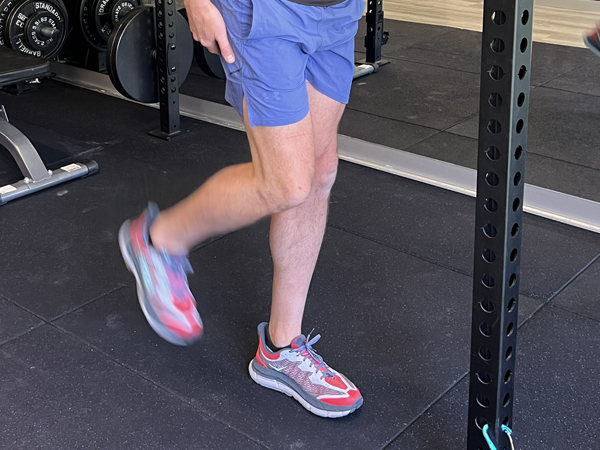
  • Improving balance and proprioception
  • Progressing glute and hamstring activation
  • Improving walking confidence and weight-bearing tolerance
  • Building control during functional movement patterns

  • Every exercise during this stage is designed to prepare you for more advanced strengthening and athletic rehabilitation in the later stages of the program.

    Be aware of maintaining knee alignment and avoiding excessive knee collapse inward (valgus)


    Bike, Rower, Pool and Cardio


    Bike

    The bike becomes an important part of rehabilitation during this stage.

    Aim to use the bike:

  • 4–5 times per week
  • 20–30 minutes maximum
  • Low to moderate intensity only

  • If the recumbent bike is comfortable, you may begin progressing toward a standard stationary bike during Week 4.


    Rower

    The rower should only be introduced cautiously during this stage and only if you have adequate knee flexion and good symptom control.

    For LARS graft ACL reconstruction patients, gentle rowing may begin during Week 4 if:

  • You have more than 110° knee flexion
  • There is no increase in swelling or pain
  • You keep the intensity low
  • You avoid pushing hard through the legs

  • Start with 5 minutes and gradually build toward 10 minutes by Week 6 if tolerated.

    The rower at this stage is used for knee flexion, controlled hamstring activation and movement repetition — not as a cardio workout.

    ACL hamstring graft patients should wait until Week 5–6 before commencing the rower, due to the early vulnerability of the hamstring graft site.


    Pool

    Pool walking may begin once cleared by your Surgeon or Physiotherapist:

  • 1–2 sessions per week
  • 20–30 minutes maximum
  • Shallow water walking only
  • No kicking or swimming yet

  • SPECIAL NOTES


    Hamstring Graft Precautions

    ⚠️ If you have had a hamstring tendon graft reconstruction, continue to be cautious with fast or reactive movements during this stage.

    AVOID:

  • Sudden sprinting or rushing movements
  • Aggressive hamstring stretching
  • Explosive lower limb movements
  • Heavy hamstring loading

  • The hamstring tendon remains vulnerable during the early stages of healing, even if pain levels are improving.


  • Continue using compression stockings during the day if swelling persists
  • Ice after exercises or at the end of the day if the knee becomes reactive
  • Do not swim in the ocean during this stage due to instability and unpredictable wave forces
  • If performing Straight Leg Raise exercises, ensure there is no quadriceps lag throughout the movement
  • Progress exercises gradually based on swelling response and movement quality — not simply time


  • Videos to Watch

    Account Image

    Account Image
    Account Image