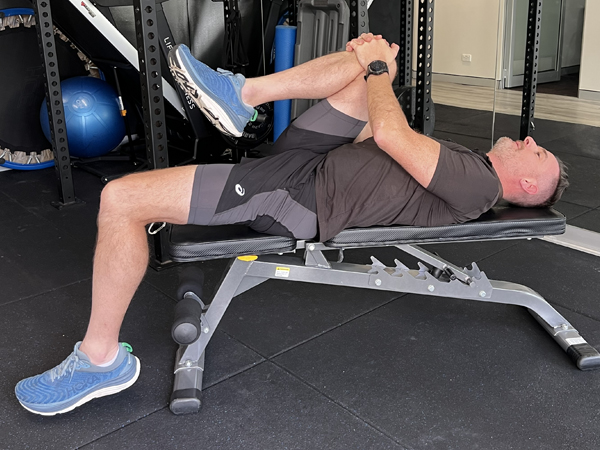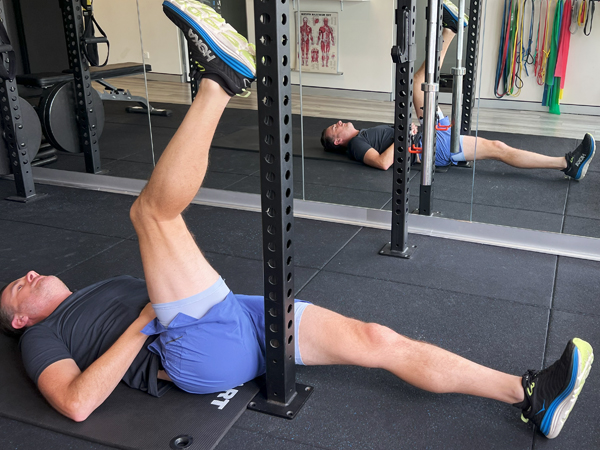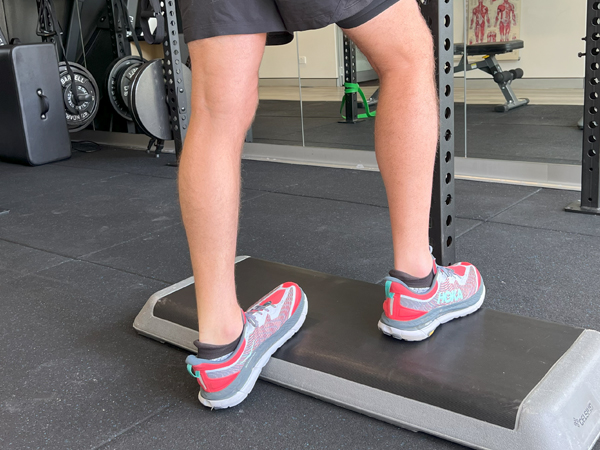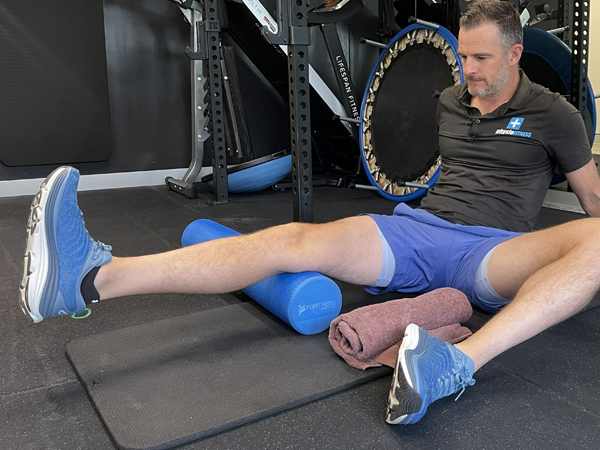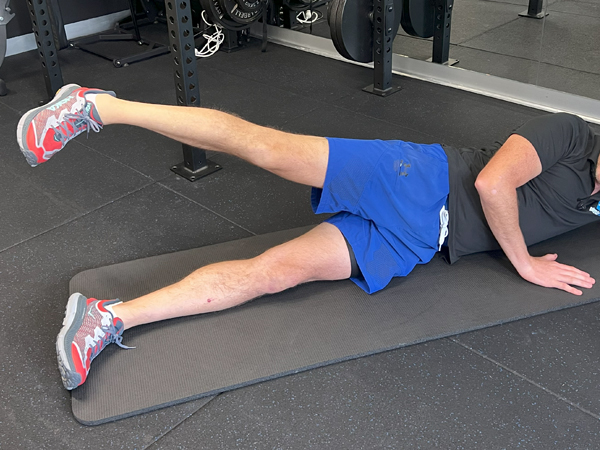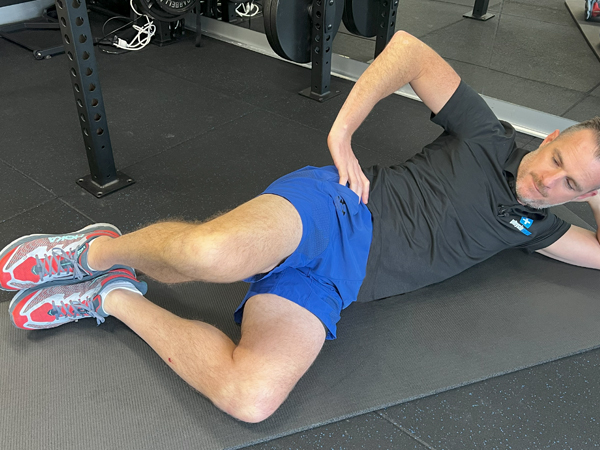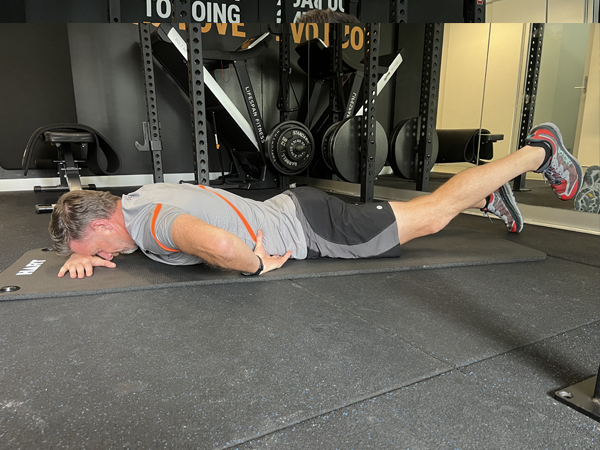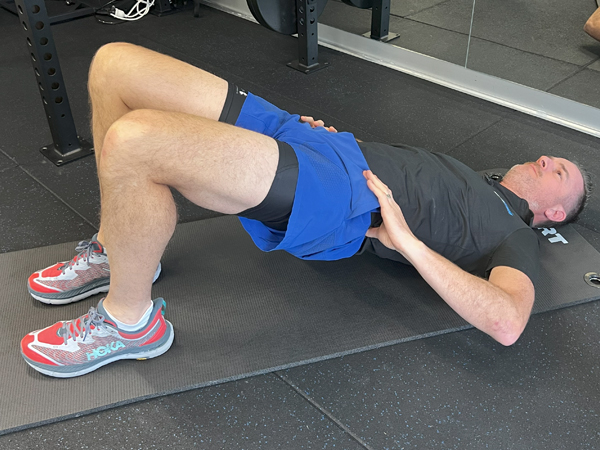
TWO NEW KNEE REHAB PROGRAMS NOW AVAILABLE!

Knee Injury and Surgery Rehab | Weeks 03-04

Knee Injury and Surgery Rehab | Weeks 03-04

KNEE INJURY AND SURGERY REHAB | WEEKS 03-04


Stage Pre-requisites

Account Image

Before progressing into Stage 2, you should meet the following criteria:

  • Maintain improving knee extension and flexion range of movement
  • Demonstrate improving quadriceps activation and lower limb control
  • Walk with improving gait mechanics and confidence
  • Have been reviewed by your Surgeon and/or Physiotherapist if required
  • Have no signs of infection or significant post-operative complications
  • Have swelling that is reasonably controlled and not significantly increasing following exercises or walking

  • If you have fracture fixation, meniscal repair or ligament bracing restrictions, continue following your Surgeon’s or Physiotherapist’s movement and weight-bearing guidelines throughout this stage.


    Physio Check-In

    Physio Check-In

    This stage is an important progression point in your rehabilitation, as exercises become more weight-bearing and movement based.

    Your Physiotherapist can assist with:

  • Assessing walking mechanics and limping
  • Monitoring swelling and knee joint stiffness
  • Progressing weight-bearing exercises safely
  • Improving quadriceps activation and lower limb control
  • Assessing squat and balance technique
  • Improving hip and pelvic control
  • Progressing bike, walking and pool rehabilitation appropriately

  • Hands-on treatment may still assist with:

  • Soft tissue tightness around the knee and thigh
  • Patella mobility
  • Scar tissue mobility
  • Swelling reduction
  • Muscle tightness and stiffness

  • This is also an important time to assess movement quality and reduce compensation patterns before progressing into later strengthening stages.


    Goals

    Account Image

    Range of Movement Goals

    Continue maintaining:

  • 0° active knee extension

  • Aim to progressively improve knee flexion throughout this stage:

  • Week 3: approximately 100° flexion
  • Week 4: approximately 110° flexion

  • For post-operative patients, aim to progressively improve knee flexion throughout this stage while maintaining extension quality and minimising swelling response.


    Recommended Equipment

    Account Image
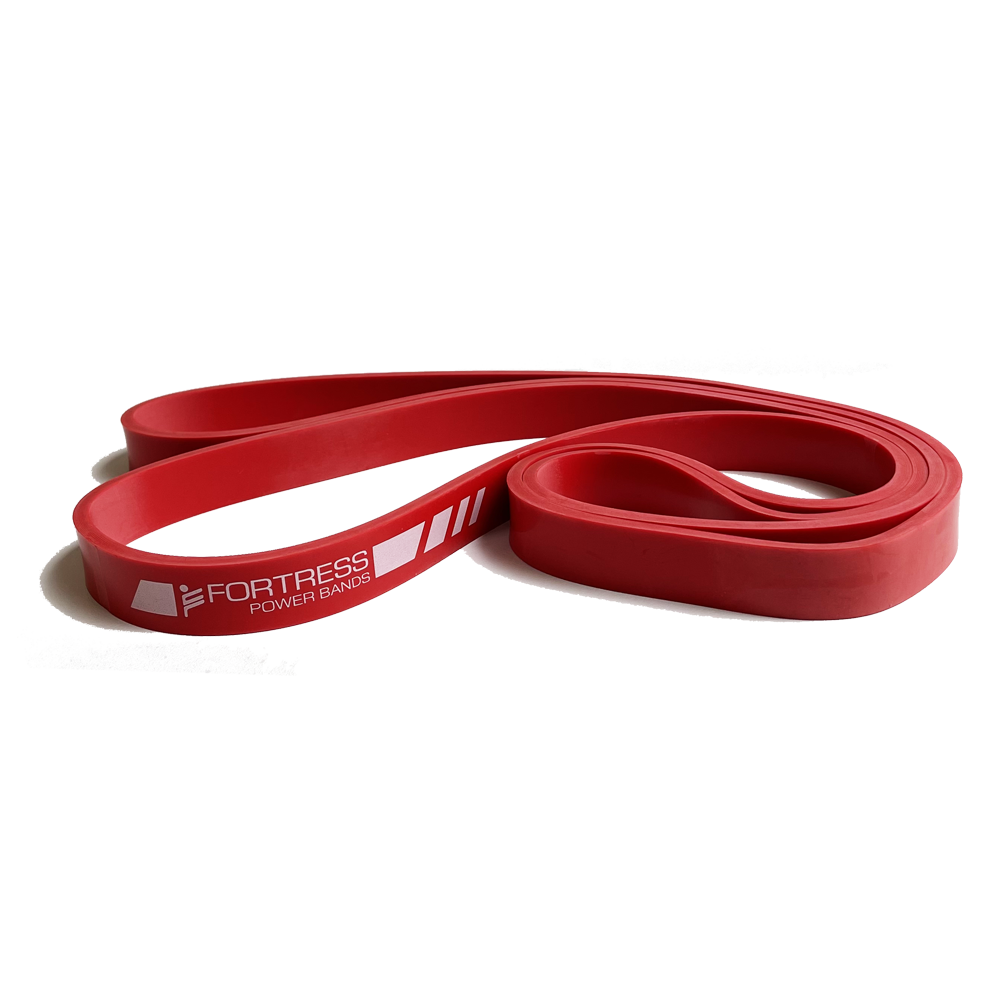
    Power Band - Red (Medium)
    Power Band - Red (Medium)


    {% endif %}

    WEEKS 3-4: Functional Loading and Movement Control

    Account Image
    WEEKLY INSTRUCTIONS

    Welcome to Stage 2 of your rehabilitation program.

    During this stage, the focus shifts toward:

  • Improving walking mechanics
  • Building confidence with weight bearing
  • Progressing quadriceps and glute strength
  • Improving balance and neuromuscular control
  • Restoring functional movement patterns

  • By now, you should be moving more comfortably with improving range of movement and reduced swelling compared to the early stages of rehabilitation.

    Continue focusing on controlled movement quality and avoid progressing too quickly simply because pain levels are improving.


    Weekly Structure

    This stage consists of three sections.

  • Session 1: Mobility and Stretches: DAILY
  • Session 2: Muscle Activation and Control: 1-2 times per day
  • Session 3: Functional Strength and Movement: 1 x per day, 4-5 x per week

  • As exercise load increases, allow time for recovery and swelling management between higher-loading sessions.

    Focus on movement quality and symptom response rather than simply increasing exercise volume.

  • Session 1: morning or midday
  • Session 3: afternoon or evening


  • Mobility and Stretching

    The mobility exercises remain important during this stage, however they no longer need to dominate the entire day as they did during the early phase of rehabilitation. Move only within tolerable limits and avoid aggressively pushing into pain or swelling.

    Continue focusing on:

  • Improving knee mobility
  • Reducing stiffness
  • Improving soft tissue flexibility
  • Restoring movement confidence
  • Improving walking mechanics


  • Strength and Functional Movement

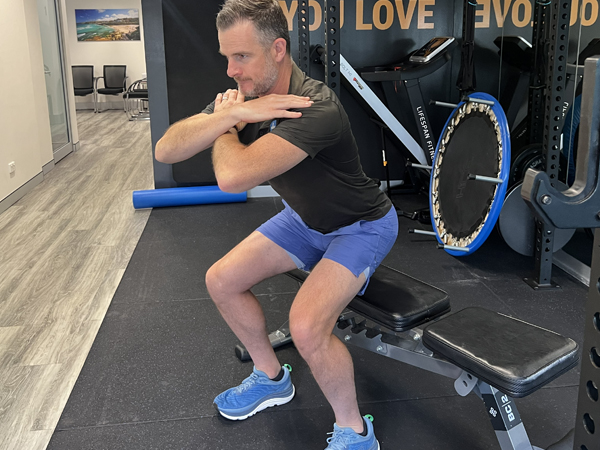
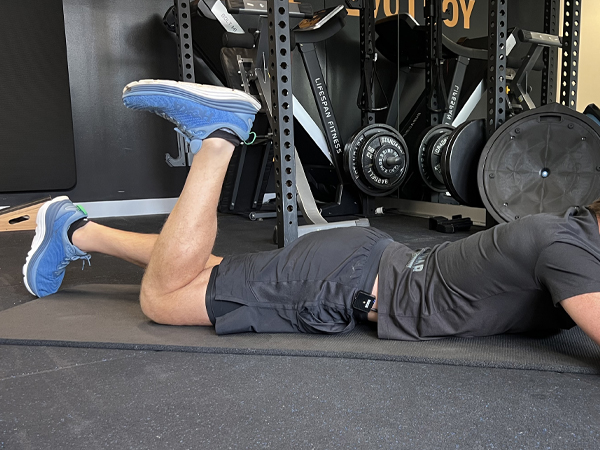
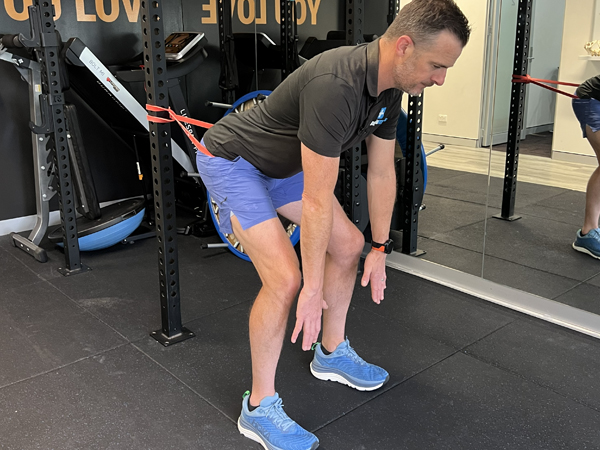
    This stage introduces more functional loading and movement-based rehabilitation exercises, concentrating on:

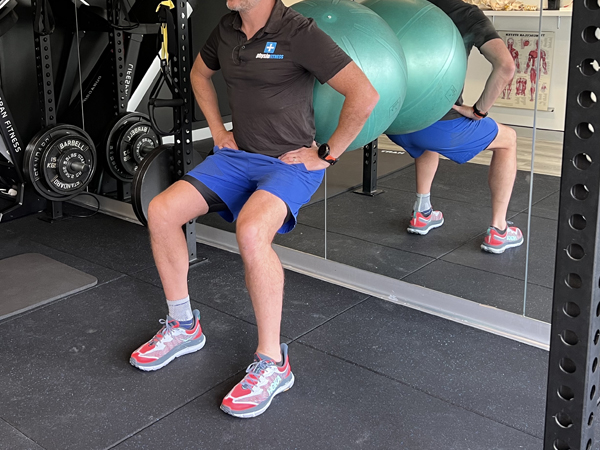
  • Improving squat mechanics
  • Improving balance and proprioception
  • Improving hip and pelvic control
  • Restoring lower limb strength
  • Improving movement confidence
  • Restoring functional movement patterns

  • Every exercise during this stage is designed to prepare you for more advanced strengthening and athletic rehabilitation in the later stages of the program.

    Focus on:

  • Controlled movement quality
  • Maintaining good knee alignment
  • Controlled weight shifting
  • Balanced movement between both legs
  • Smooth and confident movement patterns


  • Walking and Weight Bearing

    Focus on:

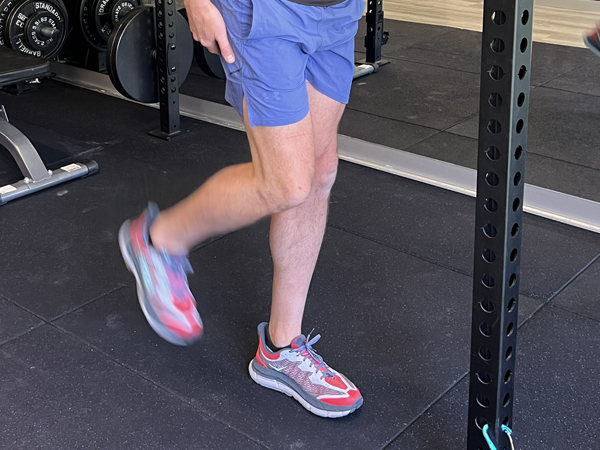
  • Heel strike during walking
  • Controlled knee extension during stance phase
  • Reducing limping
  • Improving walking symmetry
  • Improving confidence during standing tasks

  • Avoid excessive walking volume if it significantly increases swelling or pain later in the day.


    Bike, Rower, Pool and Cardio


    Bike

    The bike becomes an important part of rehabilitation during this stage.

    Aim to use the bike:

  • 4–5 times per week
  • 20–30 minutes maximum
  • Low to moderate intensity only

  • If the recumbent bike is comfortable, you may begin progressing toward a standard stationary bike during Week 4.


    Pool

    Pool walking may begin once cleared by your Surgeon or Physiotherapist:

  • 1–2 sessions per week
  • 20–30 minutes maximum
  • Shallow water walking only
  • No kicking or swimming yet

  • SPECIAL NOTES

  • Continue using compression stockings during the day if swelling persists
  • Ice after exercises or at the end of the day if the knee becomes reactive
  • Progress exercises gradually based on swelling response and movement quality
  • Do not rush walking progression if limping remains significant
  • If you have fracture or surgical restrictions, continue following all weight-bearing and brace guidelines
  • Do not swim in the ocean during this stage due to instability and unpredictable wave forces


  • Videos to Watch

    Account Image

    Account Image
    Account Image